Occasional Paper Series #55
Uplifting the Legacy of Black Teachers: Loving and Liberatory Pedagogies in a Science of Reading Context
by Natasha A. Thornton, Amanda L. Armstrong, Brooke Blacknall, Jordan Freeman, Elaine Nevers-Williams, and Mukkaramah Smith
Freedom for literacy and literacy for freedom is the indigenous philosophy of education for Black Americans (Perry et al., 2003). Prior to emancipation, Black people, those enslaved and free, risked their lives to learn to read and to teach others. They understood that teaching reading was an imperative for the advancement of freedom, humanity, and racial uplift (Perry et al., 2003). It is well documented that prior to the 1954 Brown vs. Board decision that declared racial segregation in schools unconstitutional, Black teachers’ pedagogy centered on care, collective responsibility, high expectations, and fostering a critical consciousness in Black students. Black teachers not only taught academic subjects excellently (Foster, 1997; Lesesne, 2020), but taught students Black history, how to participate in civic organizations, and how to be leaders in their communities. In essence, teaching Black children was an act of love and practice of freedom (hooks, 1994). Simply decoding was not the goal; their instruction aimed to ensure students would thrive in a world that denied their humanity. In this current Science of Reading (SOR) context, where reading policy has trickled down into scripted curricula that negates the language and literacies of Black children, it is necessary to draw from the pedagogical traditions of Black educators in order for the literacies and the lives of Black children to flourish.
SOR Context
SOR is a research-based approach from the fields of education, cognitive psychology, developmental psychology, and neuroscience that presents an explanation of how individuals learn to read. It has been viewed as a panacea for reading instruction (Brinegar et al., 2024), and nearly forty US states have passed laws that require teacher training and curriculum shifts in alignment with SOR research and evidence-based strategies. Due to the focus on training educators to teach reading, many have touted SOR as a social justice approach to reading (Brinegar et al., 2024).
Terry (2021) maintains that this one-size-fits-all notion is not only inadequate but unscientific and misleading. She posits that the science which explains how people learn to read has been around and implemented for years, yet the fact remains that “not enough Black and Brown children are reading well in school” (p. 83). While it is important for educators to understand the cognitive processes related to learning to read, this knowledge is not sufficient if it does not include understandings that “identify language and literacy assets, strengths, skills, dispositions, mind-sets, and practices that Black students already possess and bring into a classroom” (Milner, 2020). When students use Black language, retell stories in a circular structure, or engage in literacy practices that differ from the traditional bedtime story, these practices are often viewed from a deficit lens. Black life is rich with literacies that are rooted in historical and contemporary creative ways of knowing and being such as oral and intergenerational storytelling, proverbs, church literacies, handclap games, music and movement, the passing down of recipes, signifying, and more. Reading research and policy may be intent on fostering equitable literacy experiences for all, but when they omit the scholarship, voices, and literacies reflective of Black culture and identities, there is only justice for some.
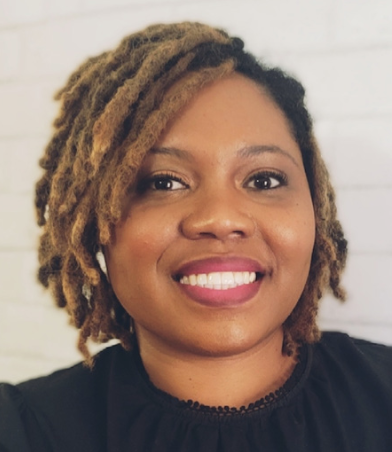 Natasha Thornton, PhD, is an assistant professor of elementary education at Spelman College. Her work focuses on culturally responsive literacy instruction, the intersection of teachers’ beliefs and practices, and centering the legacy of Black educators in teacher education. Passionate about addressing the gap between theory and practice, she develops literacy materials that highlight stories of Black history and excellence and is a co-author of the book Revolutionary Love: Creating a Culturally Inclusive Literacy Classroom. Prior to joining Spelman, Dr. Thornton served on the faculty at Kennesaw State University, where she co-founded the #BlackTeachersMatter student organization.
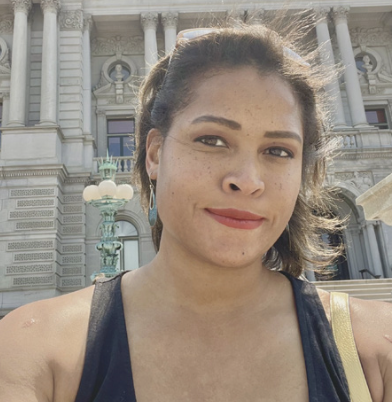 Amanda LaTasha Armstrong, PhD, is an interdisciplinary, applied educator and researcher, who explores the interconnection between early childhood and informal education, technology and digital media design practices and pedagogies, and policies. She earned her doctorate in curriculum and instruction from the College of Health, Education, and Social Transformation at New Mexico State University (NMSU) with specializations in learning, design, and technology, and early childhood education and a master’s degree in child development at Erikson Institute. During her doctoral studies, she worked as the Games Lab Coordinator for NMSU’s Innovative Media Research and Extension Department, and then held a two-year postdoctoral position at Digital Promise Global. Amanda LaTasha has had fellowships with the Researchers Investigating Socioeconomic Equity and Race Network, Arizona State University’s Children’s Equity Project, the Community for Advancing Discovery Research in Education, New America’s Education Policy Program, and the US Administration for Children and Families.
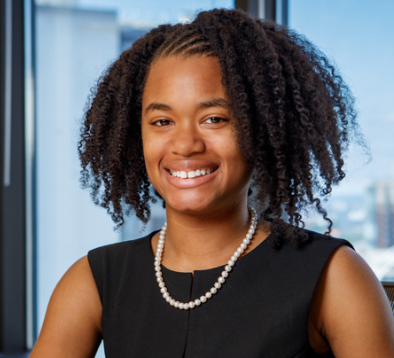 Brooke Blacknall is an aspiring educator and education scholar who is passionate about early childhood literacy. She is a senior at Spelman College in Atlanta, Georgia, where she is pursuing a degree in Elementary Education. Her interests focus on research-based literacy practices in K-2 classrooms and their effect on African American students, teacher perceptions of artificial intelligence in the classroom and the effect of AI learning tools on student academic achievement. After graduation, she plans to pursue a graduate degree in Instructional Technology.
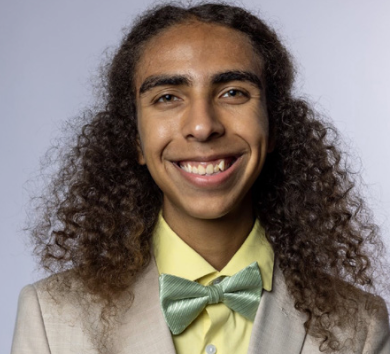 An aspiring black education and literacy scholar, Jordan Freeman utilizes the art of storytelling, knowledge of children, explorations of ancestral knowledge, and analysis of Black literature and history to guide his passion for uncovering the history of Black education. Jordan aligns his practice as a scholar and educator with the practices and pedagogies of the Black educator tradition. His research interests include Black literacies, Black teacher traditions, Black educational institutions, Black readership, and culturally responsive literacy instruction. Jordan attends Morehouse College in Atlanta, Georgia, where he studies Education. Once he completes his degree, he aspires to obtain a graduate degree in the fields of Language, Literacy, and Culture.
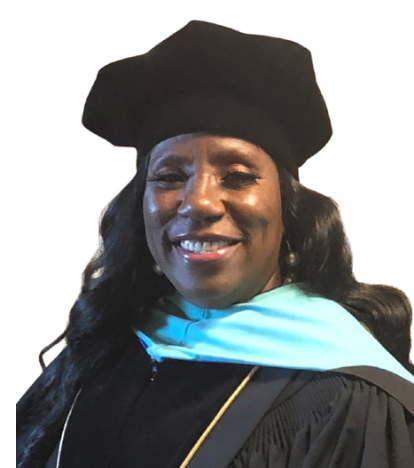 Dr. Elaine Nevers-Parker holds a Doctorate in Educational Leadership from Cambridge, along with an Educational Specialist (EdS) degree, a master’s degree in early childhood education, and a bachelor’s degree in Elementary Education. She is endorsed in Reading, Gifted Education, ESOL, and Spanish for Educators, and is certified in Elementary Education (P–5) as well as Middle Grades Math, Language Arts, and Social Science. With 30 years of experience, Dr. Parker specializes in literacy development, phonological awareness, and student engagement across core academic areas. She currently serves on The Promise All Atlanta Children Thrive (PAACT) Advisory Council. She enjoys cooking as well as exploring the cultural richness of Louisiana Bayou cuisine.
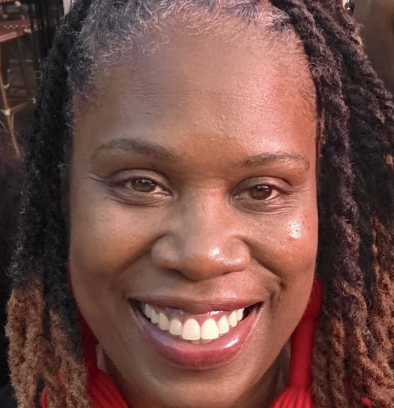 Mukkaramah Smith has 30 years of experience as a K-6 classroom teacher, which has grounded her in the daily joys of teaching and learning. Mukkaramah works to intentionally build strong literacy foundations and design instruction that honors students’ identities, and create classroom cultures where children feel seen, capable, and challenged. She believes in balanced instructional leadership with operational excellence, restorative approaches to discipline, and strong relationships with teachers, students, and families. She is an educator who is eager to contribute her skills, experience, and leadership to the field of education.