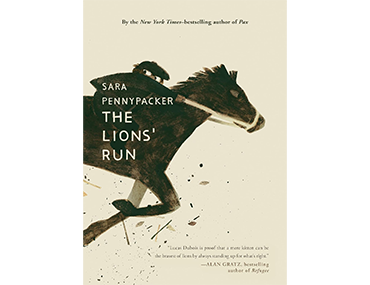
I liked that Lucas thought he was soft and not at all brave, and other people thought that too.
Young Reviewers
I liked that Lucas thought he was soft and not at all brave, and other people thought that too.
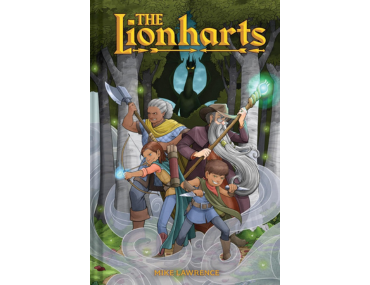
I liked it because there were multiple plot twists. The illustrations helped me visualize important parts of the story. For example the mom transforms into a dragon and the drawings helped me form a picture in my mind.
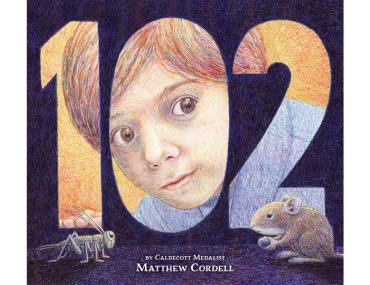
Sick with fever, a boy magically shrinks and aids a mouse family’s important quest. But is it all a dream? Warm, richly detailed illustrations scribbled in multi-colored ballpoint pen.
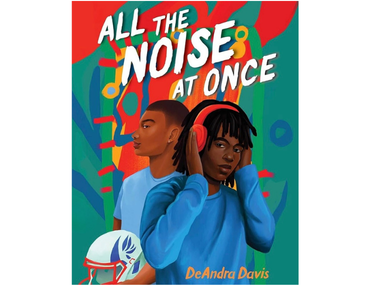
Autistic high school football player Aidan is sent reeling by his supportive older brother Brandon’s unjust arrest. How will he manage on his own? Can he prove Brandon’s innocence?
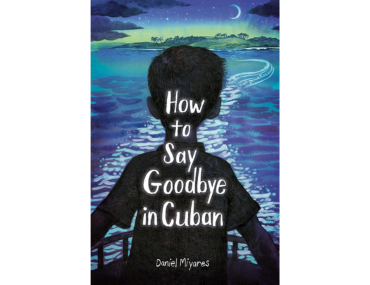
Carlos’s dad didn’t like the new government of Cuba. Instead of staying there and dealing with it he decided to move to America with his family even though that was very difficult because they were leaving so many things and people behind.
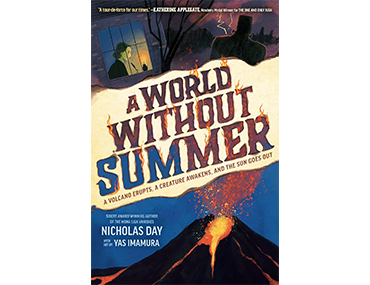
I loved this book very much because it taught me a lot about how history is connected. It taught me things that I have never known before. I would have never thought that a volcano eruption would eventually lead to a woman writing a novel called Frankenstein.
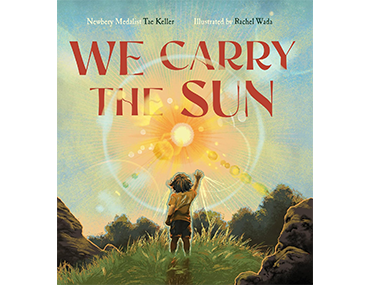
What I really liked about this book was how it showed all the creative ways humans have learned to use the sun to support us in our everyday lives. However, it didn’t just list facts. It tied into history, told the stories of people from around the world, and introduced readers to individuals they might never have heard of, making the book very interesting and inspiring.
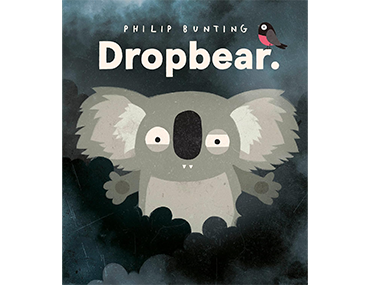
I like “Gray hair! Grim stare!” “Grim stare” is a funny word. I like the pictures. I like how this little bird has not seen proof. “Dropbear is mean. Dropbear is rude. Dropbear smells like stinky old food”. That’s the part that’s really funny. Why does he linger up high? They say he’s rude but all he wants is a hug.
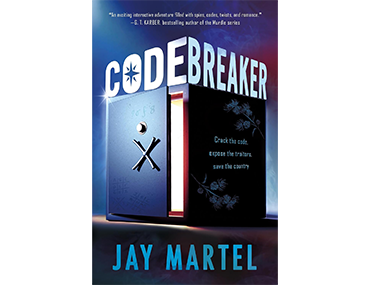
I really enjoyed Codebreaker because it made history and science feel exciting and easy to understand, especially through the story of the protagonist, whose intelligence and determination stood out in every chapter.
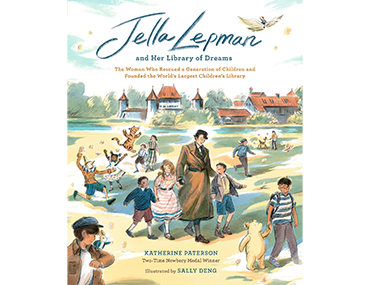
I liked that no matter what life threw at Jella Lepman she always found a way to get what she wanted. I found this book special because it showed me no matter how many people doubt you, there is always a way to reach your goal.
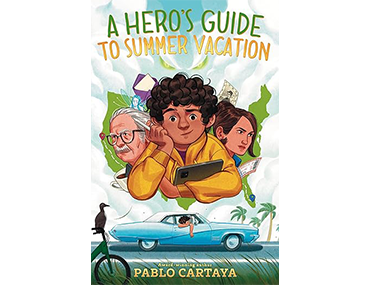
What I loved about A Hero’s Guide to Summer Vacation was how deeply it resonated with me. The road trip setting wasn’t just a backdrop—it felt like a mirror to my own life. Every year, my family takes a long road trip, and those hours in the car are some of my favorite moments. No distractions, just laughter, stories, and quiet togetherness. So when Gonzalo and his grandfather Alberto hit the road, I was instantly hooked.
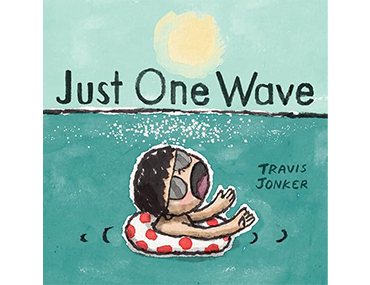
I liked the part of the sandcastle. I liked how he splashed the baby. It’s special because he really wanted to do something. It had all our favorite things in it like the baby, swimming, summer, floaties. The pictures were funny and cool.
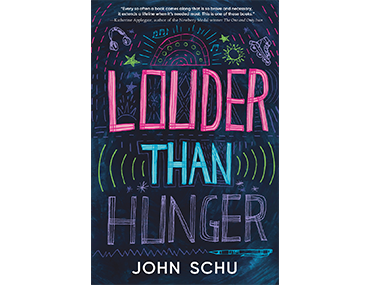
“Louder Than Hunger” is a novel in verse following thirteen-year-old Jake, whose struggles with bullying and loneliness lead to life-threatening anorexia. During his stay at a residential treatment facility, Jake re-examines his relationships with friends and family as he journeys toward self-acceptance and recovery.
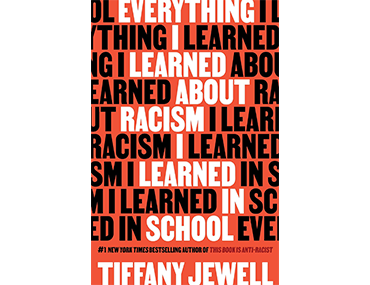
In “Everything I Learned About Racism I Learned in School,” the author Tiffany Jewel discusses heavy topics such as separation of students through prejudice disguised as ‘educational differences’. She touches on how people outside of the school system would never be able to recognize how racially separated schools are.

Katherine Rundell has crafted a breathtaking story, one which interweaves a unique magical world with carefully rounded characters, and a beautifully paced storyline equally moving and light-hearted at the right moments. What sets this children’s fantasy apart from others is perhaps the concepts and creatures in the stories, the messages delivered, and the ending, which is sure to break your heart.